Why Waterproofing Is Crucial for Long-Lasting Frameworks: an In-Depth Evaluation
Waterproofing plays an essential duty in the long life of frameworks. It functions as an obstacle against dampness, which can cause significant issues like mold and mildew and degeneration. Understanding the different waterproofing methods and their ramifications is crucial for building owners. The consequences of neglecting this facet can be extreme. Exploring these aspects reveals not just the requirement of waterproofing, yet also its wider effect on residential or commercial property value and safety.
Understanding Waterproofing: Interpretation and Significance
Waterproofing works as a vital obstacle against dampness intrusion, protecting frameworks from possible damages. It includes numerous approaches and products made to avoid water penetration right into buildings, making certain long life and performance. The importance of waterproofing can not be overemphasized, as it protects against a variety of issues, including mold development, deterioration of products, and architectural weakening.Effective waterproofing remedies can consist of membranes, coatings, and sealants, each tailored to particular settings and structural layouts. By creating a safety layer, these remedies assist maintain a completely dry interior, which is crucial for the wellness of passengers and the conservation of residential property value.Moreover, spending in waterproofing at the building and construction phase is considerably much more cost-efficient than addressing water-related concerns after they occur. Consequently, understanding the principles of waterproofing is crucial for architects, home builders, and building proprietors going for sturdy, resistant frameworks that endure the examination of time and environmental obstacles.
The Influence of Water Damages on Architectural Stability
Water damages presents significant threats to structural integrity, mainly with the development of mold and mold. These microorganisms not just compromise interior air top quality yet also bring about product destruction with time. In addition, prolonged exposure to wetness can damage structural parts, raising the likelihood of collapse or failing.
Mold and Mildew Growth
Wetness intrusion poses a significant threat to the architectural stability of structures, bring about the expansion of mold and mold. These fungi grow in wet environments, commonly settling in covert areas such as wall surface dental caries, under floor covering, and in ceilings. Their growth not just creates undesirable discolorations and unpleasant smells however likewise adds to a decrease in indoor air quality, posturing health dangers to residents. Mold and mildew can endanger products like timber and drywall, bring about further dampness retention and developing a cycle of damage. Early detection and remediation are vital to stop comprehensive growth, emphasizing the requirement of reliable waterproofing measures. Addressing moisture issues without delay can shield both the health of citizens and the long life of the structure.
Architectural Weakening Dangers
Unchecked dampness breach can lead to extreme architectural weakening, jeopardizing the stability of buildings. Water damage usually influences foundational components, such as light beams, columns, and walls, causing jeopardized load-bearing ability. Extended exposure to wetness can cause materials like wood to rot and steel to rust, compromising their structural properties. This damage might bring about fractures, bowing, or perhaps disastrous failures if left unaddressed. Yard drainage Omaha. Additionally, water seepage can threaten the dirt under foundations, triggering settling or moving that further exacerbates structural dangers. Consequently, applying efficient waterproofing remedies is vital in maintaining a building's architectural honesty, avoiding costly repair services, and guaranteeing security for passengers. Appropriate upkeep and aggressive measures are crucial in mitigating these considerable dangers connected with water damage
Types of Waterproofing Approaches and Materials
Waterproofing techniques and materials play a crucial duty in shielding structures from water damage. Secret methods consist of membrane layer waterproofing, which supplies a physical barrier; fluid waterproofing services that develop a seamless coat; and cementitious waterproofing alternatives known for their resilience and simplicity of application. Recognizing these various approaches is important for picking the most proper method for specific building and construction needs.
Membrane Layer Waterproofing Techniques
Membrane layer waterproofing methods are crucial for safeguarding frameworks from the harmful impacts of water seepage. These methods entail the application of water resistant membranes that produce an obstacle versus dampness. Both key sorts of membrane systems are sheet membrane layers and liquid-applied membranes. Sheet membrane layers, commonly made from materials such as rubberized asphalt or polycarbonate, are built and can be rolled out and stuck to surface areas. In contrast, liquid-applied membranes are used as a fluid and treatment to create a smooth layer. Both kinds supply versatility and longevity, dealing with different applications, consisting of roof coverings, cellars, and foundations. Correct installation and upkeep of these membranes guarantee lasting defense, enhancing the life-span and honesty of the structures they secure.
Liquid Waterproofing Solutions
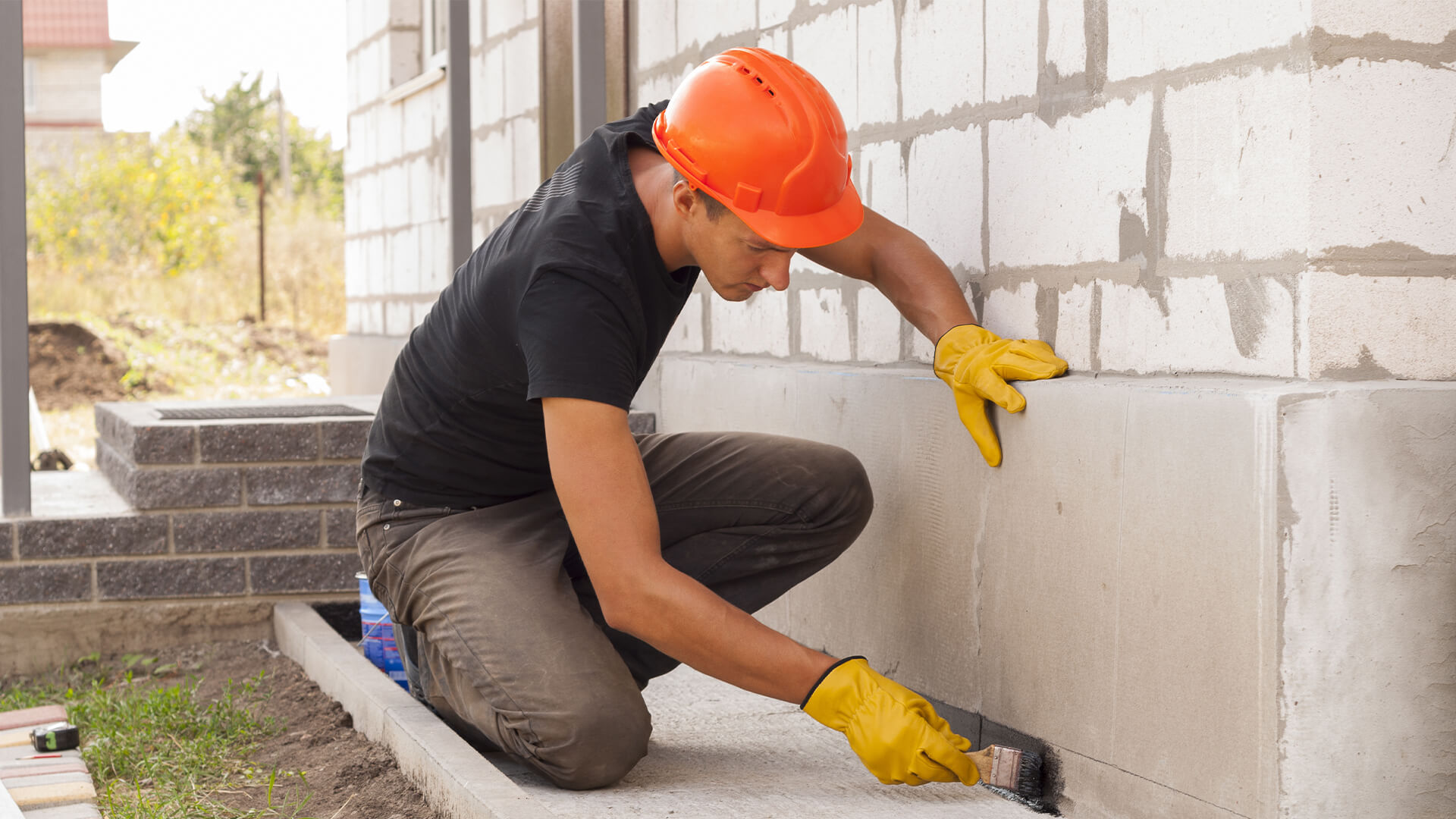
Fluid waterproofing solutions stand for a versatile alternative to conventional membrane layer systems. These options usually involve the application of fluid finishes that heal to form a seamless, long lasting barrier versus water seepage. Numerous sorts of liquid waterproofing products are offered, including polyurethane, asphalt, and acrylic-based formulas. Each type provides distinct residential properties, such as flexibility, adhesion, and UV resistance, making them suitable for diverse applications. The application procedure often includes spraying or rolling the liquid onto surface areas, permitting insurance coverage of complicated shapes and details, which lessens potential weak points. Fluid waterproofing remedies are especially advantageous for areas with activity, such as joints and cracks, as they can accommodate structural changes without jeopardizing integrity, ensuring resilient defense for frameworks.
Cementitious Waterproofing Options
Countless cementitious waterproofing options are readily available, using reliable options for different construction requirements. These systems commonly include a mix of concrete, sand, and ingredients, making them suitable for both indoor and outside applications. Among the preferred choices are crystalline waterproofing products, which react with moisture to create a water-proof obstacle within the concrete matrix. Additionally, versatile cementitious coverings give enhanced flexibility, suiting minor architectural activities without endangering the waterproofing integrity. It is likewise common to make use of cementitious sealers for joints and like it fractures, guaranteeing complete protection versus water infiltration. On the whole, cementitious waterproofing alternatives are valued for their durability, ease of application, and compatibility with various substrates, making them a favored choice in modern-day construction practices.
Long-Term Price Savings Through Effective Waterproofing
Buying efficient waterproofing services can considerably decrease long-lasting prices for building proprietors and developers. By preventing water breach, these remedies alleviate damage to structural components, reducing the need for pricey fixings and upkeep over time. Waterproofing likewise protects interior finishes and home furnishings, decreasing replacement expenses and boosting the overall life-span of the property.Moreover, effective waterproofing can bring about power financial savings by enhancing insulation and reducing humidity-related concerns. This leads to reduced heating and air conditioning costs, adding to a more lasting monetary model for home management.Additionally, the execution of waterproofing measures can boost residential or commercial property value by guaranteeing a completely dry, risk-free, and durable atmosphere. While the first financial investment in waterproofing may appear considerable, the lasting economic benefits much surpass the in advance expenses, making it a sensible choice for any individual involved in building or home administration.
The Function of Waterproofing in Structure Codes and Laws
Waterproofing plays a significant role in building ordinance and regulations, showing its value in modern construction techniques. These codes are designed to guarantee security, durability, and sustainability in structures, stressing the requirement for effective waterproofing actions. Numerous nationwide and local building codes outline certain demands for waterproofing materials and methods, specifically in locations prone to water intrusion, such as basements and foundations.Compliance with these laws not only secures structures from moisture-related damage however also safeguards public health and wellness by protecting against mold and mildew development and structural instability. Inspectors typically assess waterproofing components throughout the building and construction process to guarantee adherence to developed criteria. As environment adjustment increases the regularity of extreme weather condition events, the role of waterproofing in structure codes is anticipated to evolve, possibly causing stricter policies. Generally, the combination of waterproofing in governing frameworks emphasizes its crucial function in accomplishing long-lasting, resilient structures.
Instance Researches: Effective Waterproofing Solutions
Effective waterproofing options have actually been executed throughout numerous jobs, showcasing cutting-edge methods that enhance structural stability and long life. One remarkable example is the restoration of the historic Smith Tower in Seattle, where advanced membrane layer systems were employed to secure the structure from water breach. This technique not just preserved the structure's aesthetic however additionally prolonged its lifespan.In one more case, a big industrial building in Miami used crystalline waterproofing modern technology, which responds with wetness to create an obstacle against water. This solution showed efficient against the city's high humidity and heavy rainfall.Additionally, a bridge in San Francisco went through a considerable waterproofing therapy utilizing epoxy finishes, which considerably minimized upkeep prices and boosted longevity. These instance studies highlight the performance of tailored waterproofing methods in diverse environments, highlighting the importance of selecting suitable techniques to address certain obstacles and assure the durability of structures.
Finest Practices for Implementing Waterproofing Approaches
Carrying out effective waterproofing strategies needs mindful preparation and adherence to best techniques - Foundation waterproofing Omaha. It is essential to conduct a thorough website assessment to recognize prospective areas of water ingress. This analysis informs the selection of appropriate materials and techniques customized to specific ecological problems. Making use of her explanation high-grade, sturdy waterproofing membrane layers can substantially boost protection versus moisture.Additionally, correct installation methods are necessary; guaranteeing that surface areas are clean and devoid of pollutants advertises optimal adhesion. Regular maintenance checks ought to be set up to determine any type of signs of wear or damages, permitting timely repairs.Moreover, incorporating drain systems can effectively handle water overflow, stopping accumulation around structures. Informing all personnel associated with building and construction regarding waterproofing demands further guarantees consistency and adherence to finest practices. Inevitably, a positive strategy to waterproofing can greatly prolong the lifespan of frameworks and minimize long-lasting maintenance expenses
Often Asked Inquiries
Just How Does Waterproofing Affect Energy Effectiveness in Buildings?
Waterproofing significantly enhances power performance in buildings by preventing dampness intrusion. This minimizes the original source the need for home heating and air conditioning, keeps regular interior temperatures, and inevitably reduces energy usage, adding to long-term sustainability and price savings.
Can Waterproofing Be Applied to Existing Frameworks?
Waterproofing can certainly be applied to existing structures. Different approaches, such as membrane layers, finishes, and sealers, enable homeowner to enhance protection versus dampness, thereby extending the structure's stability and minimizing possible damage over time.
What Are the Indications of Inadequate Waterproofing?
Indicators of inadequate waterproofing consist of water stains on wall surfaces, mold growth, peeling paint, stuffy smells, and moisture in cellars - Water Solutions Omaha. These indicators recommend potential structural damages and the need for instant interest to stop additional degeneration
Just How Commonly Should Waterproofing Be Evaluated or Kept?
Waterproofing ought to be examined at least each year, especially in areas with heavy rainfall or fluctuating temperature levels. Routine maintenance guarantees early detection of concerns, promoting architectural stability and extending the lifespan of the building.
Are There Eco-Friendly Waterproofing Options Available?
Environment-friendly waterproofing alternatives are progressively readily available, making use of sustainable materials such as bio-based polymers and all-natural sealants. These alternatives not only safeguard frameworks yet likewise minimize environmental impact, appealing to ecologically conscious builders and homeowner.